Toxic Shock Syndrome
In the realm of menstrual health and hygiene, Toxic Shock Syndrome (TSS) is a topic that women who have periods...
Menstrual Cycle
Published on: 10/11/2023 | Last updated on: 29/07/2024
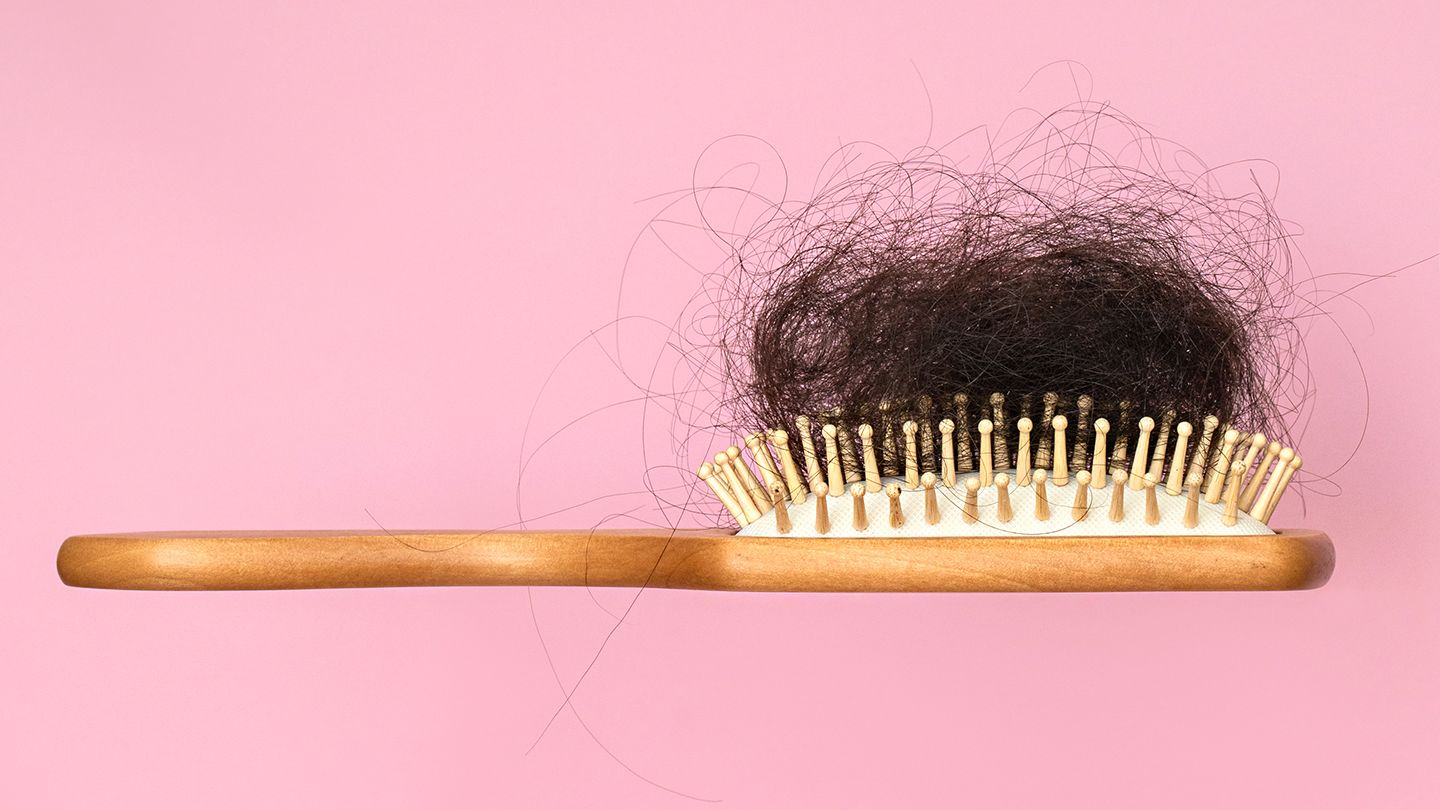
A common yet highly unspoken symptom of the menopause, postpartum and a hormone imbalance are changes to the hair – thinning, hair becoming brittle and easy to break, or even looking a little wonky at the hairline. This is what we call Female Pattern Hair Loss (FPHL) which can be very concerning and upsetting for women. After all, for lots of us, hair is an important aspect of our identity.
Female pattern hair loss (FPHL), often referred to as androgenic alopecia, is a common condition characterised by a gradual thinning of hair in females. It is the most prevalent cause of hair loss in females and typically follows a distinct pattern, unlike male pattern baldness.
FPHL (or androgenic alopecia) is influenced by genetics and hormones. It occurs when our hair follicles become smaller and producer finer and shorter hairs with each growth cycle. The process usually begins around the crown and the top of the head, resulting in a widening of the parting or more visible scalp. We can also notice thinning at the wider edges of the hairline, sometimes pushing the hairline back. Unlike other forms of hair loss, the hairline should remain intact.
It is important here to note, FPHL may not be noticeable to other people, however if you notice it yourself, it may be worth getting it confirmed. Trying to confirm this can be quite the task!
Take a look at the Ludwig Scale, a three step classification system used by dermatologists and healthcare professional to categorise the severity of female pattern hair loss.
Female Pattern Hair Loss (FPHL) and Male Pattern Hair Loss (MPHL) are both conditions that are affected by genetics, aging and hormone levels, and result in the hair thinning. Whilst both share similarities in terms of pattern and progression, there are some key differences between the two.
One major difference lies in the pattern of hair loss. MPHL typically starts with a receding hairline at the temples, followed by thinning at the crown of the head; eventually leading to partial or complete baldness. Different to this, FPHL usually presents as more widespread thinning across the scalp, with the hairline remaining intact. Women with FPHL may notice wider part lines and a general increase in hair density.


The difference in hair loss patterns can also be influenced by the type of hair
It is during the postpartum period and menopause that you may experience female pattern hair loss. Those with medical conditions affecting female hormones may also experience female pattern hair loss, Polycystic Ovarian Syndrome being an example.
Studies show around 40% of women will experience hair loss after the menopause. Two thirds of these women will experience this all over the scalp, and for the remainder, hair loss is experienced at the front or over the temples only. Hair loss may start during the perimenopause or it begin years after.
It is important to remember that female pattern hair loss is very common and increases in likelihood with age. It is not specific to any ethnicity, anyone can be affected. It can happen at any age, but it is most likely to occur when you experience a hormonal shift:
Postpartum
During pregnancy, elevated levels of estrogen and progesterone cause our hair to remain in the growth phase. After we give birth, the level of these hormones drop, causing more hair to enter the resting phase. Not long after, all of this hair will shed and can leave signs of female pattern hair loss behind.
Menopause
Through the perimenopause, menopause and post menopause, estrogen levels decline. Estrogen is a ‘hair-friendly hormone’ that allows our hair to stay in the growth phase a little longer and maintains hair thickness. The decrease in estrogen and hormone imbalance can result in hair becoming finer and even more susceptible to shedding.
Unfortunately, we cannot ignore aging. Menopause signifies the next stage in life (which we think should be celebrated!) and with our years of wisdom (provided you are going into menopause naturally) aging may begin to show in your hair, not just your skin laxity. After the age of 40, hair follicles begin to shrink and become thinner. The total number of follicles go down too.
PCOS
With PCOS, the cysts on the ovaries and infamous hormonal disturbances can impact hair health. One of the culprits is elevated androgens, such as testosterone, in the body. High androgen levels cause hair follicles to shrink, resulting in the production of thinner and shorter hairs. This can lead to hair thinning and the pattern of hair loss can look more like the male-pattern rather than female, which can be troubling.
When comparing women of the same age, those with PCOS are more likely to experience female pattern hair loss than women who do not have PCOS.
Hormones alone are not the cause, we also must consider genetics, family history, any medical conditions, medications and lifestyle factors like stress-levels and your nutrition
Poor nutrition
Poor nutrition, whether due to under-eating or insufficient nutrient intake can have a devastating impact on hair health. When the body doesn’t receive the nutrition that is required, it will prioritise vital functions over hair growth and health. This will lead to experiencing thinner hair, poor hair quality and loss of hair.
We see it often, the importance of a healthy, balanced diet flies under the radar for hair health. Protein deficiency, a lack of vitamins such as biotin, vitamin D and iron can disrupt the hair growth cycle in particular and malnutrition will eventually lead to hormone disruption and exacerbate hair loss.
Remember, nourishing your body is not only essential for overall health but also for maintaining vibrant and healthy hair.


The good news is, there are many things we can do to help improve female pattern hair loss. Most of these recommendations are lifestyle changes, or extra steps in your beauty regime that you can implement yourself:

Female pattern hair loss can be an incredibly challenging journey, affecting not only your appearance but also your confidence and how you view yourself. Experiencing female pattern hair loss is often confusing and an isolating experience, as many women struggle to identify the cause behind their thinning hair or hair loss, and it isn’t something that is talked about very often. I encourage you to change that! According to the North American Hair Research Society, by the age of 50, 50% of women experience hair loss and hair thinning. We understand the emotional toll and sometimes traumatic experience that female pattern hair loss can force upon us. We’re here to provide guidance, support and solutions in the form of lifestyle changes to help you regain not only some of your hair or improve hair quality, but also your confidence and peace of mind.


Read more about this topic
Research further
For more information please explore the links below.


In the realm of menstrual health and hygiene, Toxic Shock Syndrome (TSS) is a topic that women who have periods...

Bringing a new life into the world is an incredible journey, but it is not without its emotional twists and...
Perimenopause, the 'warm-up' to menopause...but what is the difference? In this article, we answer that question for you and shed...
You must be logged in to post a comment.